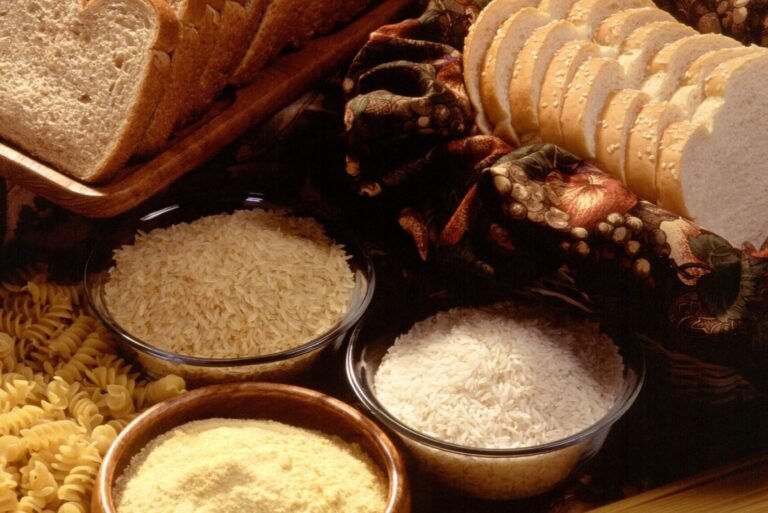
Carbohydrates are a type of food that the human body can utilize, but doesn’t have to. And if it does, at what cost?
Our cells burn sugar. However, this ability comes with certain conditions. While it is officially claimed that about half of our daily diet should consist of carbohydrates, the scientific evidence tells a very different story. It has been clearly and unequivocally proven that carbohydrates are not essential for life. The body can release sugar from fat reserves on its own when it needs it. The right fats and proteins, however, are essential for life, just like clean water.
So why does the majority of what’s offered in supermarkets consist of carbohydrates? The answer is simple. Most people like the taste, they’re cheap, and there’s a profit to be made from selling them.
However, every carbohydrate is immediately converted 1:1 into sugar in the body. We find mainly glucose and fructose. Fructose is the more dangerous of the two, because it can only be metabolized by the liver, whereas glucose (with appropriate physical exertion) can be burned directly in the cells. The liver’s fructose storage capacity is much smaller than that of muscle cells. For example, muscles can store an energy reserve of 1,200 to 2,400 kcal in the form of glycogen, while the liver converts and stores about 300 to 600 kcal of fructose as glycogen.
Carbohydrates trigger an immediate insulin response. This hormone, which supports cell growth, prevents the burning of fat from the body’s cells by transporting sugar from the blood into the cells. So if you continue to eat many snacks throughout the day, your body’s insulin levels will never drop to zero, thereby preventing fat burning. Stress, such as that experienced in everyday life, also raises cortisol levels and leads to an increase in blood sugar, which in turn causes fat storage via insulin.
However, our cells absolutely need periods of rest to trigger autophagy—the natural cellular cleansing process. In particular, our mitochondria—the cell membranes and the cells’ most important powerhouses—ensure cellular health and cellular respiration. They also regulate controlled cell death. However, if fat is constantly being stored, this hinders our natural maintenance program. The consequences aren’t always evident through excess weight. Non-alcoholic fatty liver disease also leads to inflammation in the body and can trigger serious illnesses.
After just 10 to 12 hours without insulin or cortisol release, the body automatically begins to release ketone bodies to burn fat. So-called autophagy can therefore be easily incorporated into daily life, provided, for example, that you skip the completely unnecessary breakfast and switch to a low-carb or ketogenic diet.
Contrary to many questionable recommendations, a low-carbohydrate diet with longer breaks between meals is therefore optimal. The myth surrounding carbohydrates has long been scientifically debunked and is, at the very least, questionable. Carbohydrates cause cravings to increase exponentially. If you largely eliminate them, a fasting window of 16 or 18 hours is very easy to maintain without feeling hungry.
So-called intermittent fasting is not a strict fasting regimen but can be easily incorporated into your daily routine. Studies also show that new stem cells can form after as little as 24 hours of fasting.
Your body will thank you with significantly improved health—though the pharmaceutical industry certainly won’t.