Why are there so many prejudices against capitalism? The view that is so widespread today applies, so to speak, to virtually all areas where large amounts of money change hands. But this line of reasoning fails to take a key factor into account.
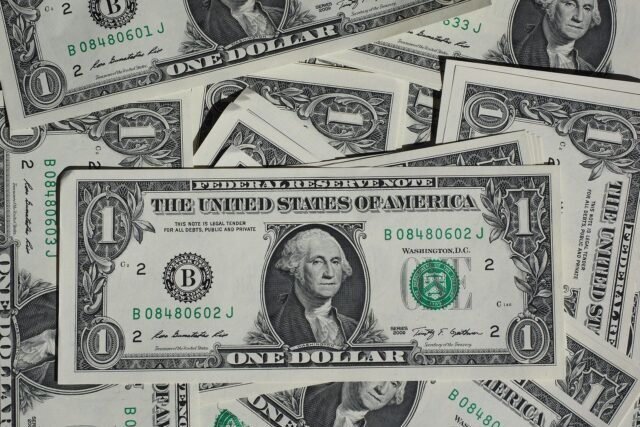
Our current monetary system is purely a credit system. Fiat money, which can (and is) multiplied almost indefinitely, is based not on capital but on credit.
Virtually no major investment worldwide is made with cash. Almost all financing is done through credit, even when the financier could provide the money outright. But why is that the case?
Our global tax system has adapted to this credit-based economy. This means that, in almost all cases, it is significantly more tax-efficient to take on debt than, for example, to pay for a purchase outright. If you have money, taxes are usually levied on it. Debt, on the other hand, is not currently subject to any taxes. It is therefore considerably more advantageous to invest available cash elsewhere for a profit and to finance investments through loans.
For example, the prominent Elon Musk did not buy Twitter with his own capital. It would have been pocket change, and yet the purchase was financed with loans.
A “special fund”—a term often used by governments—should by no means be regarded as assets or capital, because it consists entirely of debt that will never be repaid.
The fact that the Volkswagen Group has approximately 400 billion euros in debt can hardly be called capitalism either. This amount of debt is nearly equivalent to the federal budget of Germany and is not an isolated case. The company will never repay these debts. But how is something like this possible?
It is an example of inflation, because this additional money printed by central banks increases and devalues the total amount of fiat money in circulation. As a result, citizens’ purchasing power automatically declines. Anyone who thinks that wage increases would offset these massive inflationary effects is mistaken. For while government bonds are indeed repaid, they are repaid only with money that has been printed additionally. No country in the world would have the money in its piggy bank to buy back the government bonds it has issued. So the practice of printing money, which is taken for granted today, is anything but capitalism.
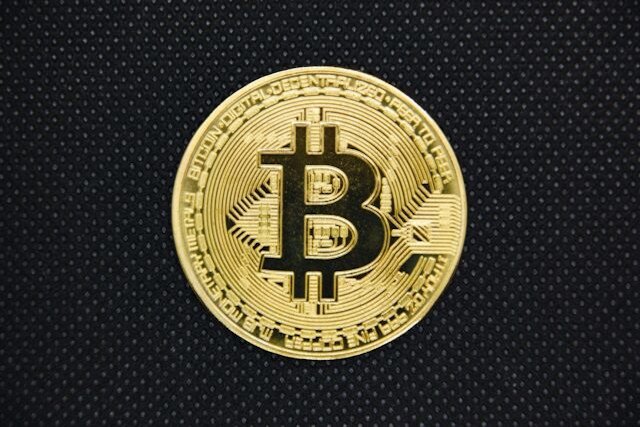
This brings us back to the original topic. For this term, which is often poorly defined, is in reality pure creditism—that is, the credit economy. It has little to nothing to do with real capital and base money, such as gold or Bitcoin.