The concepts underlying this term are considered complex and not easy to understand. This is because it was never covered in our school education.
Decentralization cannot, in principle, be created or built. It can only arise on its own.
Fungi are the largest organism on our planet, and they embody the core characteristics of decentralization. They are present everywhere and have no single origin. They are thus the opposite of centralization, as they form symbiotic relationships with, for example, plants. They give something and receive something in return. If a part of them is destroyed, this has absolutely no effect on their global presence. Fungi organize themselves entirely on their own.
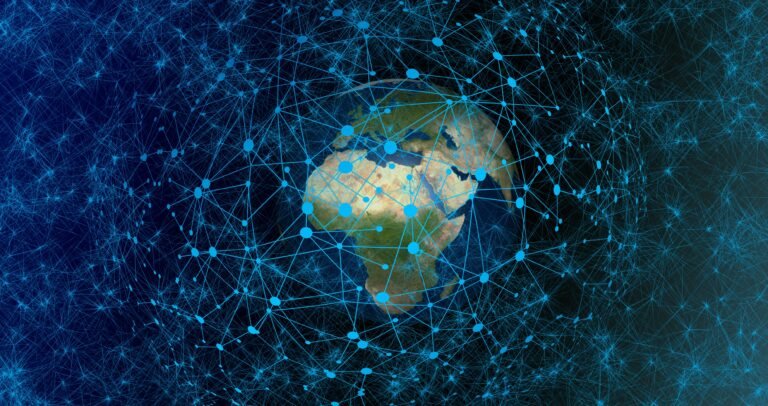
The Internet is a virtually decentralized computer system. Even though it consists of many centralized nodes, its decentralization stems from the fact that it has grown over decades and, in effect, can no longer be shut down worldwide. While this would be possible in theory, in practice it will never happen, because today’s entire social and global structures are based on it. Trade, communication, transportation, governments, surveillance, the military, and especially the monetary system. Vast parts of the entire world would come to a standstill. And even if it were possible to shut it down completely for a short time, this would only work for a very limited period. Too many vested interests depend on it, so there would always be people who would bring parts of the network back online.
Imagine for a moment that every person in the world had a gold coin. Would it be possible to completely remove them from people’s possession?
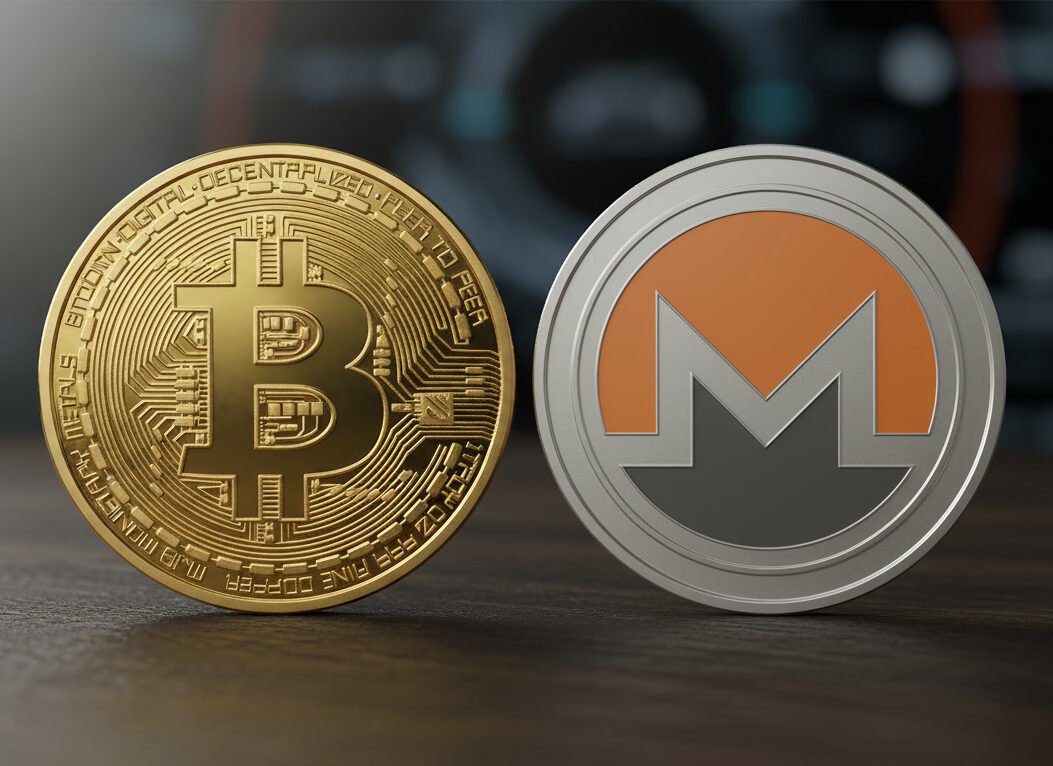
The best-known decentralized network today is the Bitcoin network. It, too, had to grow, because in the beginning it was by no means decentralized. The open-source protocol, however, was designed and developed from the very start to have precisely this characteristic.
It was only through its long-standing spread up to the present day in 2026 (estimated at about three hundred million participants) that true decentralization was able to take shape. The origin no longer plays any role at all in this regard. And the network continues to grow verifiably and steadily, as it also forms symbiotic relationships. There is no single point of contact. One contributes one’s energy—in the form of, for example, lifetime and the working hours thereby expended—and receives the benefits in return. It is therefore virtually impossible that this will ever change.
True decentralization exists when the origin becomes irrelevant, the system organizes itself, is adaptable, and thus cannot possibly be centralized.